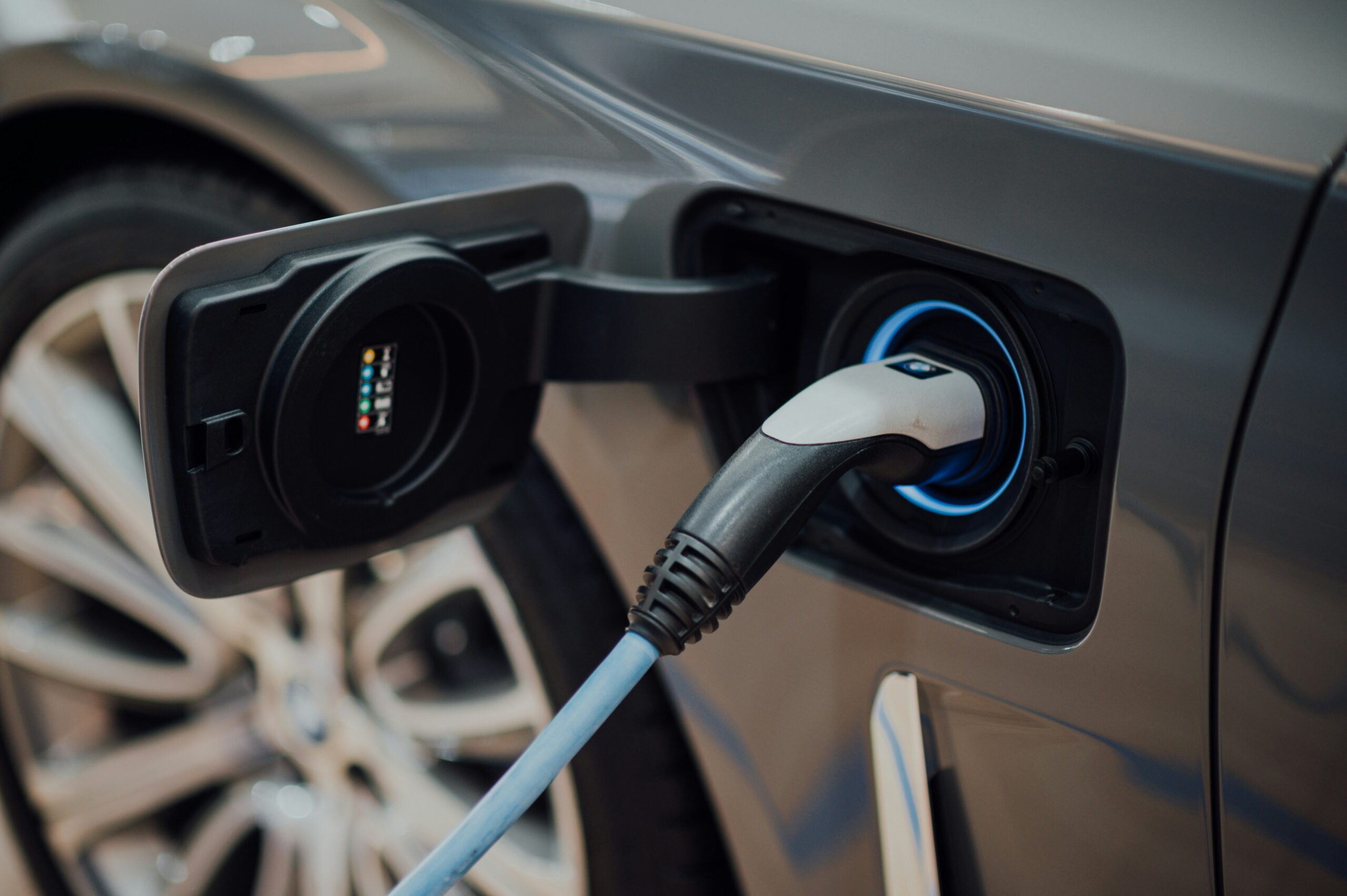
With the growing interest in electric vehicles (EVs), more Australians are exploring their environmental benefits and technological advancements. Electric cars produce fewer emissions and can be more energy-efficient, making them an attractive option for eco-conscious drivers. However, one of the first questions potential buyers ask is: how much does an electric car really cost? While electric cars tend to have a higher upfront price than petrol cars, their long-term savings can make them a smart investment. This guide will break down the complete cost picture of owning an electric car in Australia.
Upfront costs of electric cars
One of the key factors to consider when buying an electric car is its upfront cost, which is generally higher than that of a petrol car for a similar model. This higher price is largely due to the cost of the battery, the central component of electric vehicles. The make, model, and features of the car can also influence the overall price.
Electric cars in Australia can range from $40,000 for more affordable models to over $100,000 for luxury vehicles. However, government incentives can help reduce these costs significantly. Depending on the state you live in, you may be eligible for rebates, tax exemptions, or grants aimed at promoting electric vehicle adoption.
Beyond the purchase price: ongoing costs
While the purchase price of an electric car may be higher, it’s important to look at the bigger picture, including ongoing costs. Electric cars generally have lower running and maintenance expenses compared to petrol vehicles.
Charging costs:
One of the major ongoing costs of owning an electric car is charging. Charging an EV can be done at home or through public charging stations. Installing a home charging station typically costs between $1,000 and $2,500, depending on the setup. Charging costs depend on electricity rates, but it’s typically cheaper than fuelling a petrol car. Public charging stations may offer free or paid charging options depending on location.
Maintenance costs:
Electric cars have fewer moving parts than petrol vehicles, meaning they often require less maintenance. With no oil changes, fewer fluids, and no engine repairs, ongoing maintenance costs can be much lower, potentially saving you hundreds of dollars each year.
Registration and insurance:
In most Australian states, registration and insurance costs for electric vehicles are similar to petrol cars. However, some states can offer discounts or incentives for EV owners, further reducing these costs.
Electric vs. Petrol: a cost comparison
Although electric cars can have higher upfront costs, they may offer significant savings in terms of long-term operating costs. The price of electricity is generally lower than petrol, which means you could save thousands on fuel over the lifespan of the car. Additionally, reduced maintenance needs for electric vehicles can further contribute to their cost efficiency.
According to some studies, the overall lifetime cost of owning an electric vehicle can be lower than owning a petrol car due to these long-term savings. For example, data has shown that while you may pay more upfront, the reduced costs in fuel, maintenance, and government incentives can lead to significant savings over time.
Savings and incentives
Australia’s state and federal governments are offering various incentives to promote electric vehicle adoption. These can significantly reduce the upfront cost of an electric car.
Government rebates and tax breaks:
Some states provide rebates on electric vehicle purchases, offering as much as $3,000 to eligible buyers. Additionally, electric cars may be exempt from certain taxes or duties, which can make them even more affordable.
Discounted registration fees:
In some regions, EV owners benefit from discounted registration fees, which can save you money annually. In addition, certain tollways may offer reduced fees for electric vehicle users, providing further savings.
Fuel savings:
The ongoing fuel savings from charging your car with electricity, rather than filling up with petrol, are one of the most significant financial benefits of electric vehicle ownership. Over time, these savings can accumulate and significantly reduce the overall cost of owning an electric car.
Ready to make the change to electric?
While the upfront cost of an electric car in Australia may be higher than that of a petrol car, the potential savings in fuel, maintenance, and government incentives make electric vehicles an attractive long-term investment. With the right planning, electric vehicles can not only reduce your environmental impact but could also save you money in the long run. If you’re considering purchasing an electric car, reach out to Handy Finance to explore our financing options.
Approvals are subject to Handy Finance’s credit criteria and responsible lending requirements. Fees, charges, terms and conditions apply. Finance provided to approved applicants by OurMoneyMarket Lending Pty Ltd ABN 64 605 231 669, trading as ‘Handy Finance’ holds Australian Credit Licence number 488228 and is a member of the Australian Financial Complaints Authority (AFCA). The information contained in this article is intended to be of a general nature only. It has been prepared without taking into account any person’s objectives, financial situation or needs. Before acting on this information, we recommend that you consider whether it is appropriate for your circumstances. We recommend you obtain independent advice before acting on any information in this article.